
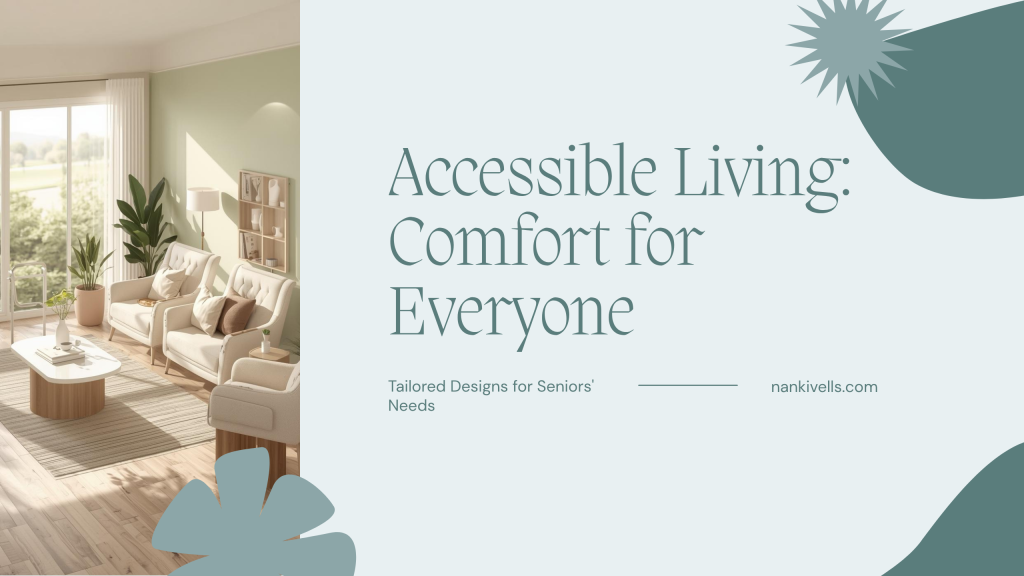
Most people hope to spend their later years in the comfort of their own home, surrounded by familiar settings and cherished memories. This desire, known as “ageing in place”, is about maintaining independence and a high quality of life. However, as we age, our living environment can present new challenges. Creating a safe, comfortable, and accessible home is key, and fitted furniture plays a significant role in achieving this without sacrificing style.
This blog post examines fitted furniture for ageing in place, with a focus on designing for accessibility. We’ll explore how thoughtful home modifications and custom-designed furniture can enhance safety, support independent living, and promote overall wellbeing for older adults. From simple tweaks to bespoke solutions, the right furniture can turn a house into a home for life.
Why Ageing in Place Matters
The Importance of Familiarity
Staying in your own home is more than just comfortable; it’s beneficial for your mental health and overall wellbeing. Familiar surroundings can reduce stress and anxiety, make you feel secure and at home. For many senior citizens, the ability to live independently is directly linked to their happiness and overall wellbeing.
Addressing Housing Accessibility Issues
Unfortunately, many homes are not designed with the ageing population in mind. Environmental barriers, such as narrow doorways, high cupboards, and a lack of support in bathrooms, can create serious housing accessibility issues. These obstacles increase the risk of falls and make everyday tasks challenging for individuals with mobility limitations, so home modifications are necessary.
Key Features of Accessible Furniture
Designing for Mobility Challenges
Accessible furniture is designed to make life easier for those with mobility challenges. Simple yet effective accessible features can make all the difference. For example, integrated armrests on chairs and sofas provide a stable place to push up from, and a slightly higher seat height makes sitting and standing easier. Grab rails in key areas offer extra support for easy movement around the home.
Fall Prevention
Preventing falls is one of the most critical aspects of designing for an ageing population. Home falls can lead to serious injuries and loss of confidence. Accessible furniture design tackles this risk. Features like raised edges on side tables prevent items from slipping off, so you don’t have to bend down to retrieve them. And furniture arrangements that provide clear, wide pathways help wheelchair users and those with mobility aids navigate the space safely.
Customising Furniture for Maximum Accessibility
Bespoke Solutions for Individual Needs
One of the most significant benefits of fitted furniture is that it can be customised. Unlike mass-produced items, bespoke pieces can be designed to address specific health conditions and mobility issues. An individual’s needs can be assessed during home visits, allowing occupational therapists and designers to collaborate on creating tailored solutions. This might include lowering the bed frame for easier access or designing wardrobes with low-hanging rails.
Space Saving Designs for Every Home
Fitted furniture is space-saving by its very nature, which is a big plus in any home. By incorporating furniture into the room’s structure, you can create more space to move around. Built-in storage units eliminate the need for bulky freestanding pieces, reducing clutter and trip hazards. This is particularly useful in smaller homes where every square inch counts and users need to be able to move freely.
Independence and Quality of Life
Functional Independence
Thoughtful housing design directly contributes to increased independence. When a living environment is tailored to an individual’s needs, they can perform daily tasks with greater ease and confidence. Structural changes, such as installing a ramp or creating a wet room with a built-in bench and shower chairs, enable older adults to manage their personal care independently, promoting greater independence.
Mental Health and Wellbeing
A safe and easy-to-navigate home has a significant impact on health-related quality of life. By removing environmental barriers, we reduce daily frustrations and anxieties, which in turn supports better mental health. Knowing your home is a safe place helps build confidence and encourages a more active and engaged life.
Style and Function
Accessible Furniture Without Sacrificing Style
For too long, accessible furniture was associated with clinical, ugly designs. Today, that’s no longer the case. Designers like the Michael Graves Design team have pioneered products that are both beautiful and functional. You can have a stylish home that’s also perfectly accessible. Fitted furniture, by its nature, can be designed to blend in with any home decor, from modern to traditional.
The Art of Bespoke Design
Creating truly accessible fitted furniture requires skill and a deep understanding of the user’s needs. Previous research and thematic analysis of housing accessibility problems provide valuable insights that inform the design process. Skilled artisans can create pieces with integrated features, such as a rear grab rail on a headboard or an integrated power strip in a bedside table, making life easier without compromising on style.
Home Modifications in Practice
Small Changes for a Safer Home
Not all home modifications require major projects. You can make a big difference with minor changes. Grab bars in hallways and bathrooms, slip-resistant flooring in kitchens and bathrooms, and adequate lighting can significantly reduce the risk of falls. These small changes provide stability and support where you need it most.
Plan for Long-Term Independence
It’s never too early to start thinking about ageing in place. By making wise furniture choices now, you can future-proof your home. Investing in high-quality, adaptable, fitted furniture is a long-term solution that will support your changing needs as you age. This forward-thinking approach enables you to continue living safely and comfortably in your own home for years to come.
Conclusion: A Home for Life
Designing for accessibility is about creating a living environment that supports health, safety and independence. Fitted furniture is the perfect solution for ageing in place, combining bespoke design with practical, accessible features. By focusing on home modifications that prevent falls, improve mobility, and enhance wellbeing, we can ensure our homes remain a comfortable haven for life. By investing in accessible design, you’re not just making your home safer; you’re investing in your future independence and quality of life.